

Asset Classes Explained: How Ordinary Kenyans Can Grow Wealth by Knowing Where to Put Their Money
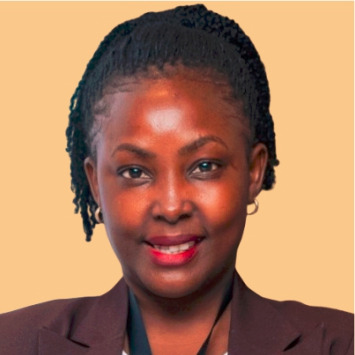
Faith Muoti
Financial Peer EducatorWe’re talking asset classes - the building blocks of your wealth. Once you understand them, you’ll know exactly where your money is sitting, what risk it carries, and how to balance things out
Let’s talk money, but in a way that won’t give you a headache. You’ve probably heard phrases like stocks, bonds, MMFs, real estate, alternatives… and maybe even thrown in a “crypto” here and there. But when someone asks you, “So, what’s your portfolio made of?” you find yourself blank.
Don’t worry, you’re not alone. Most of us jump into
investing without really knowing the basics.
Today, let’s break it down together. Think of this
as a chat with a pal over a cup of tea in town.
Why does this matter? Because understanding asset classes is the first step in building a balanced portfolio that grows your money while protecting you from risk.
So… what is an asset class?
Simple: it’s a group of investments that share similar
traits in risk, return, and how they behave. For
example, all shares fall under one class because they
move more or less in the same way.
Traditionally, there were four main asset classes, but with time new ones like crypto and derivatives have shown up. For simplicity, let’s focus on the five main ones you’ll meet daily.
1. Equities (Shares)
This is the most common one. Buying equities means owning a piece of a company. For example, when you buy Safaricom, EABL, or KCB shares at the Nairobi Securities Exchange (NSE) , you become a shareholder. You own part of that business, however small.
Equities are exciting because when the company does well, your share price rises and you can sell for a profit. Many also pay dividends, your share of the profits. But here’s the catch: equities are high risk and high reward. If markets drop, your portfolio feels the heat.
Still, over the long term, shares have proven to build serious wealth. Ask anyone who bought Safaricom shares early.
2. Fixed Income (Bonds & Fixed Deposits)
This is the calmer cousin of equities. Fixed income is all about predictability. You lend the government or a company your money (through a bond), and they pay you interest every year, called coupons. When the bond matures after, say, 5–10 years, you get your money back plus all the interest earned.
Government bonds are especially popular in Kenya because they are considered safe and give solid returns. If you’re in your 20s, bonds help balance your risky shares. If you’re in your 40s or 50s, bonds help you secure predictable income as retirement nears.
3. Cash and Cash Equivalents
This one is the easiest to understand. It’s your cash in hand, savings deposits, or Money Market Funds (MMFs). The key advantage is that they’re liquid, meaning you can access your money almost instantly.
The downside is that returns are low. But that’s the tradeoff for safety. Your emergency fund, for example, belongs here. When life throws curveballs like hospital bills, job loss, or a car breakdown, this is the pool you run to.
4. Alternatives
Now this is where things get interesting. Alternatives cover everything outside the traditional categories: commodities like gold and oil, private equity, hedge funds, collectibles like art, and more.
In Kenya, this also includes special funds like Mansa X, Oak Fund, Arvocap, among others. These are licensed collective investment schemes or private funds that pool investor money and trade across global markets — currencies, commodities, equities, and even derivatives. They’re actively managed, aiming for higher returns than traditional investments. But higher potential return often comes with higher risk, and that’s why most require larger minimum investments..
So, while they’re not for everyone, alternatives can play a powerful role in a well-diversified portfolio - especially if you get proper advice before diving in.
5. Real Assets (Real Estate)
Ah, the Kenyan favorite! From plots in Kitengela to apartments in Ruaka, Real Estate is one asset class we all recognize. It includes land, residential and commercial property, and even infrastructure projects.
Some people put this under alternatives, but it’s often treated as its own category because of its scale and importance. Real estate is powerful because it’s tangible. You can see it, touch it, rent it out, or even build on it. But keep in mind, it’s not liquid. Selling property takes time.
Why All This Matters: The 50% Rule
Now here’s the heart of it. If you truly want financial freedom and early retirement, you must learn to live on 50% of your income and direct the other 50% into saving and investing.
Sounds tough? It’s not easy, but it’s doable. It may mean fewer impulsive spends, but the reward is huge: freedom from paycheck-to-paycheck living, and a faster road to independence.
That 50% doesn’t just sit in one place. You spread it across the asset classes we’ve just discussed, in a way that fits your goals, your season of life, and your needs:
- Some goes to a retirement fund to secure your future.
- Some builds your emergency fund in an MMF.
- Some grows in equities, bonds, or real estate for wealth creation.
- Some flows into sinking funds for goal-based savings like school fees, a car, or a home.
Over time, these layers form a strong, diversified portfolio that works for you — not just now, but for decades to come.
The Bottom Line
Understanding asset classes isn’t just theory. It’s your roadmap to freedom. It tells you where your money sits, what risk it carries, and how to balance your portfolio.
So whether you’re in your 20s just starting out, in your 30s or 40s building stability, or in your 50s securing retirement, the principle is the same. Spread your eggs across different baskets, and aim to save and invest at least 50% of what you earn.
The world of investing can look complex, but once you grasp asset classes and apply the 50% rule, you’ll never look at money the same again. Start small. Be consistent. Diversify. And one day, you’ll look back and realize you quietly built a fortune while others only dreamed.
👉 Ready to Take the Next Step?
If you’re wondering how to put all this into practice, don’t walk alone. Join our membership community where we share financial, spiritual, and personal growth tools to help you thrive.
Download our Financial Toolkit, get your Kingdom Financial Planner notebook/diary, or grab our eBook - practical resources designed to guide you in saving, investing, and building wealth with clarity.
And if you’d like personalized help in shaping your portfolio or planning your financial journey, reach out to us. We’d love to walk with you, not just in money matters, but in life’s bigger picture too.
💡 Take the Next Step With Set Free Capital
Ready to get serious about your finances?
Visit our website to grab the tools that will help you track, plan, and grow:
- Excel Money Tools Pack – KES 800 only
- Includes templates for budgeting, tracking expenses, calculating net worth, and more.
- Kingdom Finance – First Edition eBook – KES 300
- A biblical guide to saving, investing, and understanding financial principles with practical insight into available investment opportunities.
- Kingdom Financial Planner – KES 1,500
- A full package with planning pages, money trackers, budgeting tools, goal setting sheets, and biblical finance wisdom. This planner is part education, part action.
You can also:
- 📞 Book a one-on-one session with a certified financial advisor.
- 👩❤️👨 Book as a couple and align your finances as a team.
- 🗣️ Invite us for a speaking engagement for your group, church, or team.
- 🧭 Join Set Free Capital CBO — a purpose-driven financial movement. Membership is only KES 1,500.
For a one-time membership fee of only Ksh 1,500 , you get lifetime access to a treasure chest of resources - some completely FREE - including our powerful Kingdom Finance eBook that breaks down everything you need to know about building wealth God's way.
But that’s not all...
You also become part of our vibrant online community - a safe, encouraging space where we:
- Share real-time investment tips
- Alert you to new and rising opportunities
- Celebrate wins together
- Grow our financial knowledge side-by-side
- And yes... hold each other accountable like a true success squad
This isn’t just a membership it’s about fulfilling the call of God to finance His work.
"Diversification is protection against ignorance. It makes little sense if you know what you are doing."
Faith Muoti, Financial Peer Educator
📌 Want more tools?
We’ve got free and premium resources on our website — from planners to retirement guides to calculators. Join our lifetime membership for just Ksh 1,500 , and get access to:
- The Kingdom Finance eBook
- Budgeting templates
- Investment Opportunity Alerts
- And many more ...