

Why the First KES 10 Million Changes Everything Financially in Kenya
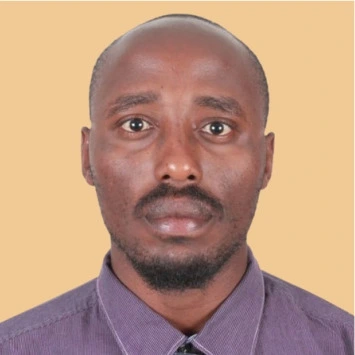
Mophat Mwangi
Financial AnalystBy Set Free Capital CBO - your partners in financial wisdom and real-life freedom
The Line Between Struggle and Freedom
Let me talk to you like your elder brother who has seen a few things.
Most Kenyans don't stay broke because they are lazy.
They stay broke because nobody ever explained how
wealth actually grows in a way that makes sense for
our reality.
People work hard. They wake up early. They hustle.
They earn something.
And still, year after year,
nothing changes.
Same stress. Same pressure. Same
“next month will be better”
story.
Here is the uncomfortable truth most people die
without learning:
Wealth has a threshold.
Below it,
money works against you.
Above it,
money starts working for you.
That threshold, in simple Kenyan terms,
is about KES 10 million.
Not KES 1 million. Not KES 3 million. Not even KES 5
million.
Around KES 10 million the game changes.
Why KES 10 Million Is Not a Random Number
Let's agree on an assumption for this conversation:
Long-term average return ≈ 15% (through business, special funds, treasury bonds among other well-balanced investment portfolios or growth-focused funds.)
Now let's talk numbers without motivation or hype
If you invest KES 1 million at 15% per year,
you earn about:
KES 150,000 per year
KES 12,500 per month
Be honest -
what does that change?
It won't remove pressure.
It won't change your choices.
It won't buy freedom.
So you save, you invest, and you feel like:
“This thing is not working.”
Now look at
KES 10 million invested at the same 15%.
That gives you:
KES 1.5 million per year
KES 125,000 per month
Now we are talking.
That's rent. That's food. That's school fees support.
That's breathing space.
Same discipline, Same return, Different Scale.
Below KES 10 million,
compound growth feels like theory.
Above it,
compound growth becomes felt reality.
Why the Beginning Always Feels Useless
Here's something nobody tells young people: In the early years, investing feels pointless because mathematically, it almost is.
At small numbers,
growth is weak.
Your money is not
“working.”
It's warming up.
That's why many people quit:
“Saving is useless”
“Investments are scams”
“This thing is for rich people”
No. You just
stopped before the engine started.
The first KES 10 million is not built by returns. It is built by discipline, sacrifice, and raw savings. In the early years, over 80% of your money comes from you, not the investment. There is no shortcut past this phase.
A Very Kenyan Example (No Big Salaries)
Let's talk about a KES 100,000 earner
Not a CEO. Not a politician. A normal Kenyan with a
decent job or business.
Now here's the uncomfortable part: This person decides
to save
KES 40,000 per month
- 40% of their income.
Most people will already say:
“That is impossible.”
But let's be honest:
Rent can be adjusted.
Lifestyle can be reduced.
Wants are not needs.
KES 40,000 per month becomes:
KES 480,000 per year.
Now add 15% growth consistently,
In about 7 - 9 years, this person is sitting around
KES 10 million.
Not by luck.
Not by inheritance.
By discipline.
Most people won't do this.
Not because they can't
- but because they don't want the lifestyle it
demands.
Why Most People Stay Stuck (Even When They Know Better)
This is not an intelligence problem.
It's a psychology problem.
Three mental traps ruin more Kenyans financially than
low income ever will.
1. Immediate Pleasure Trap
Spending today feels good. Saving feels painful.
That lunch, That weekend trip, That phone upgrade.
Future freedom feels distant.
Present enjoyment feels urgent.
2. Social Pressure
If everyone around you is upgrading cars, posting trips,
and
“enjoying life,” your
brain says:
“This must be normal.”
Even when it leads to debt and stress.
3. Pain of Deprivation
Skipping something today feels like suffering.
Future wealth feels abstract.
These are not weaknesses.
They are human wiring.
The disciplined don't fight feelings - they design systems that override them.
Flip the Question: How Do People Guarantee Poverty?
Instead of asking:
“How do I become wealthy?”
Ask:
“What guarantees I stay broke forever?”
Simple Answers:
Increasing spending with every raise
Financing cars and phones
Using loans for lifestyle
Taking advice from broke friends
Chasing quick-money schemes
Now be honest:
How many of these describe your life right now?
Wealth is not about being smart.
It's about consistently avoiding stupidity.
What the First 5 Years Really Look Like
Let's remove Instagram lies.
The first 5 years look like:
Living in a smaller house than your income allows
Using an older phone while others upgrade
Saying no to trips and outings
Watching your account grow painfully slowly
This phase feels unfair. It feels lonely. It feels boring. Most people quit here because they confuse slow growth with no growth. But this is where wealth is actually built.
Discipline Beats Motivation Every Time
Motivation excites you. Discipline carries you when excitement dies.
The people who reach KES 10 million are not more motivated than you. They are just more consistent. They save even when it feels pointless. They invest even when results feel small. Then one day, quietly, something flips.
When the Math Finally Starts Helping You
Once you cross around KES 10 million, the pressure reduces. At 15%, your money is now generating over KES 1.5 million per year. Add your continued savings, and suddenly:
- Growth accelerates
- Anxiety reduces
- Choices expand
The second KES 10 million takes less time than the first. Time becomes your ally.
The Most Expensive Sentence in Kenya
“I deserve this.”
A KES 3 million car bought too early doesn't just cost
KES 3 million. Invested over
25-30 years at 15%,
that money could become over
KES 90 million.
You didn't buy a car.
You sold future freedom for comfort today.
That's why disciplined people delay rewards:
Wealth first
Lifestyle later
It feels backwards - which is why it works.
Why Savings Rate Beats Salary
This truth hurts, but it's real: A person earning KES 60,000 and saving KES 20,000 is building more wealth than someone earning KES 200,000 and saving nothing.
Income is what you make.
Wealth is what you keep.
Raises don't build wealth.
Behavior does.
The rule is simple:
When income increases,
savings increase first.
Lifestyle stays the same.
Debt Is a Wealth Killer (No Negotiation)
High-interest debt makes wealth impossible.
You cannot grow money at 15% while losing it at
20-25%.
Pay off bad debt first.
Always
Trying to invest while drowning in debt is like pouring water into a leaking jerrican.
Your Friends Will Either Help or Hurt You
If your circle: Lives on loans, Mocks saving, or Thinks discipline is suffering they will break you.
Understand this:
Normal in Kenya is broke.
You're not falling behind.
You're choosing a different future.
The accumulation phase is lonely.
The wealth phase is not.
Keep It Boring - It Works
Wealth is built by boring actions:
- Save 30-50%. If possible, more.
- Invest consistently.
- Avoid lifestyle inflation.
- Increase income without upgrading lifestyle.
- Stay patient 7-10 years.
No secrets. No shortcuts. Just math and discipline.
The Bottom Line
Do you want to look successful for the next 5 years or
be free for the next 40?
You can't have both.
Every decision today votes for one future or the
other.
The first KES 10 million is hard - but it's the gate.
Cross it, and life changes.
Ignore it, and you will hustle forever.
Build Wealth Slowly Enough for It to Last
The first KES 10 million is not built through luck, shortcuts, or hype. It is built through discipline, patience, sacrifice, and consistent investing over time.
Join thousands of Kenyans taking control of their financial future through smart saving and long-term investing
Need Help Building Your Investment Plan?
Speak directly with our team for guidance on saving consistently, investing wisely, and reaching your first major wealth milestone.
Chat on WhatsApp"The foundation of investing success is simple: spend less than you earn and invest the difference."
Mophat Mwangi, Financial Analyst